The Heart of Tex-Mex: Why Steak Fajitas Reign Supreme
There's a reason why the mere mention of homemade steak fajitas ignites a collective craving. The sizzling sound, the vibrant colors of peppers and onions, and the irresistible aroma of marinated beef are hallmarks of a truly unforgettable meal. Beef fajitas are more than just a dish; they're a culinary experience, a cornerstone of Tex-Mex cuisine that consistently delivers on flavor and satisfaction. Whether nestled in warm tortillas or enjoyed in a hearty fajita bowl, these delectable strips of marinated steak, kissed by a hot pan or grill, have a way of disappearing quicker than almost any other meal.
For home cooks and seasoned chefs alike, crafting the perfect plate of easy steak fajitas often starts with a crucial decision: which cut of beef will truly bring that restaurant-quality magic to your kitchen? While many cuts could work, two stand out as the undisputed champions for steak fajitas: skirt steak and flank steak. Both offer distinct qualities that, when properly prepared, transform into tender, flavorful strips ready to be devoured. Understanding the nuances of each can elevate your fajita game from good to absolutely legendary.
Skirt Steak: The Traditional Champion for Authentic Fajitas
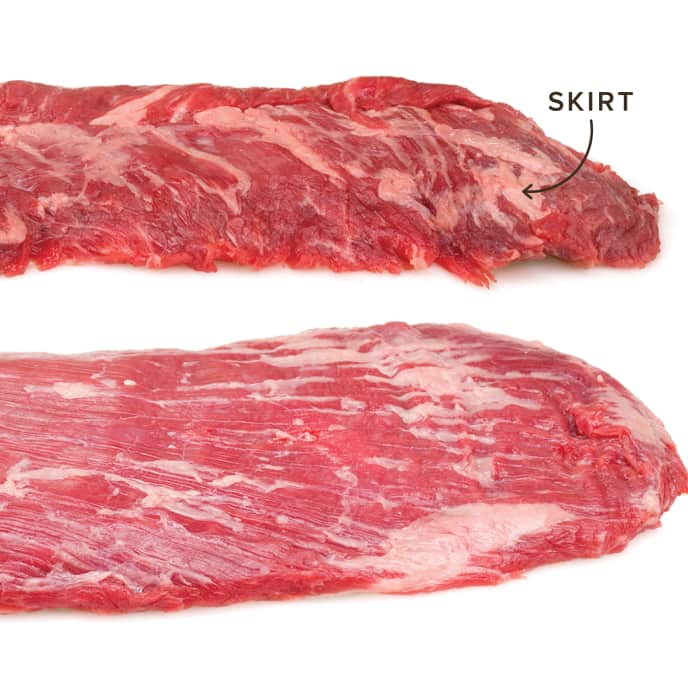
Historically, when you ordered "fajitas" – a term derived from the Spanish word "faja," meaning belt or girdle, referring to a specific cut of beef – you were undoubtedly getting skirt steak. This cut, long, flat, and remarkably flavorful, comes from the plate section of the cow, just below the ribs. It's renowned for its deep, intense beefy flavor, thanks in part to its higher fat content and coarse, visible muscle fibers.
There are two types of skirt steak: inside skirt and outside skirt. Outside skirt steak, often preferred by chefs, is slightly wider, thicker, and generally more tender and flavorful, but it's also harder to find in conventional grocery stores as it's typically reserved for restaurants. Inside skirt steak, while still excellent for fajitas, is a bit narrower and has a slightly tougher membrane that often needs to be trimmed. Regardless of the type, skirt steak's inherent characteristics make it an ideal candidate for steak fajitas.
Why Skirt Steak Excels for Fajitas:
- Flavor Profile: Skirt steak boasts an incredibly robust, rich beef flavor that holds up beautifully to potent marinades and the high heat of cooking. Its natural marbling contributes to its succulence.
- Texture: While it has a prominent grain, this is also its secret weapon. When cooked quickly over high heat and, most importantly, sliced *against* the grain, those tough fibers break down, resulting in wonderfully tender, juicy strips that pull apart easily.
- Marinade Absorption: The loose structure of skirt steak's muscle fibers allows it to readily absorb marinades, infusing every bite with the classic lime, garlic, and cumin flavors synonymous with great steak fajitas.
It's worth noting that while skirt steak was once an inexpensive cut, its popularity has driven up its price. It’s now often considered a premium cut, and its cost can sometimes rival or even exceed other popular steaks.
Flank Steak: A Popular and Often Economical Alternative
As skirt steak's popularity (and price) climbed, home cooks and restaurants alike began seeking viable alternatives. Enter flank steak. This lean, flat cut comes from the abdominal muscles of the cow, just behind the plate section where skirt steak originates. Flank steak is wider and thinner than skirt steak, with a distinct, straight grain that runs the length of the muscle.
Often more readily available in supermarkets and frequently more budget-friendly than its skirt counterpart, flank steak has become a go-to for many who crave delicious easy steak fajitas without breaking the bank. Don't let its leaner profile fool you; with the right preparation, flank steak can deliver an incredibly satisfying fajita experience.
Why Flank Steak is a Great Fajita Choice:
- Availability and Cost: Generally easier to find and often more affordable, making steak fajitas an accessible weeknight meal or a treat for a larger gathering.
- Flavor and Texture: While slightly milder in beef flavor compared to skirt steak, flank steak still offers a robust taste that stands up well to aggressive marinades. Its leanness means it can be a bit chewier if not properly prepared, but a good marinade and correct slicing technique ensure tenderness.
- Versatility: Its wide, flat shape makes it easy to handle, whether you're grilling, searing, or broiling.
Like skirt steak, flank steak absolutely demands a good marinade to tenderize its fibers and infuse flavor. It also requires rapid cooking over high heat and, critically, slicing thinly against the grain to achieve optimal tenderness.
Skirt vs. Flank: A Head-to-Head Comparison for Your Fajita Feast
So, when standing in front of the butcher counter, how do you choose between these two excellent contenders for your best steak fajitas? The truth is, both skirt and flank steak will yield fantastic results if treated with respect and the proper cooking techniques. Your ultimate decision might come down to a combination of preference, availability, and budget.
Flavor Profile:
- Skirt Steak: Offers a more intense, beefy flavor, often described as richer due to its slightly higher fat content.
- Flank Steak: Provides a robust beef flavor, but typically a bit milder and leaner than skirt steak.
Texture After Cooking:
- Skirt Steak: When cooked correctly (high heat, against the grain), it yields a tender, somewhat "chewy" but not tough texture that is incredibly juicy and melts in your mouth.
- Flank Steak: Also tender when prepared properly, but can be slightly firmer and less "melty" than skirt steak if overcooked due to its leanness. It still offers a satisfying bite.
Juiciness:
- Skirt Steak: Tends to be juicier thanks to its inherent marbling and fat content.
- Flank Steak: Being leaner, it relies more heavily on proper cooking to retain moisture and can dry out more easily if overcooked.
Availability & Price:
- Skirt Steak: Can be harder to find and often pricier, though its availability can vary by region and butcher.
- Flank Steak: Generally more common and often more economical, making it a great choice for easy steak fajitas on a budget.
Ultimately, the key to success with both cuts for steak fajitas lies in three crucial steps: a powerful marinade, high-heat cooking, and proper slicing. Both cuts benefit immensely from a marinade rich in acidic ingredients (like lime juice), tenderizers (like enzymes from certain fruits or even a secret ingredient), and aromatics (garlic, cumin, chili powder). This marinade not only infuses flavor but also helps break down the muscle fibers, ensuring a tender bite.
Beyond the Beef: Elevating Your Steak Fajitas Experience
While the choice of steak is foundational, the magic of steak fajitas extends far beyond the beef itself. To truly recreate that restaurant-style sizzle and flavor at home, consider these elements:
Marinade Mastery is Non-Negotiable
Forget bland, one-note fajitas. A great marinade goes beyond mere spices; it’s a balanced concoction designed to tenderize, flavor, and transform the meat. Ingredients like lime juice, minced garlic, cumin, chili powder, and even a unique "game-changer" ingredient (as hinted at in many top recipes) can make all the difference. The goal is a deep, complex flavor that permeates every strand of beef, ensuring your homemade steak fajitas are anything but boring.
The Vibrancy of Veggies
A colorful array of bell peppers isn't just for aesthetics; it adds crucial sweetness and crunch to your fajitas. While red and green peppers are standard, incorporating yellow, orange, and even a large poblano pepper can elevate the experience. Poblano peppers, when seeds and ribs are removed, contribute a beautiful smokiness without overwhelming heat, complementing the richness of the steak and onions. Remember, we eat with our eyes first, and a rainbow of vegetables makes your fajitas irresistible.
Cooking for That Sizzle
Whether using skirt or flank, the cooking method is similar: high heat, fast cooking. A screaming hot cast-iron skillet or grill ensures a beautiful sear on the outside while keeping the inside juicy. Cook your marinated beef and sliced vegetables until tender-crisp and lightly charred. The glorious sizzle as they hit the serving platter is part of the iconic fajita experience!
The Essential Accompaniments
What are steak fajitas without their faithful companions? Warm tortillas (corn or flour), creamy guacamole, tangy sour cream or crema, fresh salsa, shredded cheese, and a squeeze of fresh lime juice are all non-negotiable. These elements don't just garnish; they complete the flavor profile and textural symphony of the dish.
Making Fajitas Work for Your Schedule
While often seen as a weekend treat, easy steak fajitas can absolutely be a life-saver for time-crunched weeknights. Many recipes can be prepped in advance, with the steak marinating in the fridge until you're ready to cook. The actual cooking time is relatively quick, making this a perfect meal for family dinners or casual gatherings. Plus, leftovers are fantastic, whether reheated in tortillas or reimagined as Chipotle-style fajita bowls.
Conclusion
When it comes to crafting the perfect steak fajitas, both skirt steak and flank steak stand as excellent choices. Skirt steak offers a more traditional, intensely beefy flavor with inherent juiciness, while flank steak provides a leaner, often more economical option that still delivers robust taste. The "best" cut ultimately depends on your personal preference, what's available at your local butcher, and your budget. More critical than the specific cut is the art of preparation: a potent marinade to tenderize and infuse flavor, high-heat cooking to achieve that irresistible sizzle, and the crucial step of slicing thinly against the grain for melt-in-your-mouth tenderness. Whichever you choose, by mastering these techniques and embracing the vibrant accompaniments, you're well on your way to creating the most delicious, restaurant-quality steak fajitas right in your own home. So go ahead, fire up the skillet, and prepare for a Tex-Mex feast!
